


When Your Analytics Provider Becomes Your Liability (And Your Awkward Family Dinner Conversation).
In November 2025, the cybersecurity industry received a gift it immediately regretted: a data breach affecting 200 million Pornhub Premium users, courtesy of a third-party analytics breach at Mixpanel (a widely used granular website analytics provider). The incident combines three uncomfortable truths about modern digital infrastructure:
- Your data lives forever, even on platforms you stopped using years ago.
- Third-party vendors are single points of failure wrapped in SaaS agreements.
- Embarrassment is leverage, and threat actors know it.
The breach didn't expose passwords or payment details. It exposed something arguably worse:
- what people watch
- when they watch it
- where they were when they clicked.
Welcome to the era of metadata extortion, where the crime isn't stealing actually your credit card, it's stealing your browser history and threatening to tell your mom or dad or wife or colleague or anyone else who shouldn’t know about your wild fantasies.
What Actually Happened: SMS Phishing Meets Legacy Data
Phase 1: The Mixpanel Compromise (November 2025)
In early November 2025, attackers used a targeted SMS phishing (smishing) campaign to steal credentials from employees of Mixpanel, a third-party analytics platform used by many companies, including PornhHub, OpenAI, and others.
The Attack Vector:
- Method: Smishing (SMS phishing)
- Target: Mixpanel employees
- Payload: Credential harvesting
- Result: ShinyHunters group gained access to Mixpanel's analytics infrastructure
The Technical Reality: Mixpanel is an analytics-as-a-service platform. Think Google Analytics, but for companies that want granular user behavior tracking.
Every click, search, video view, timestamp; all logged, all stored, all accessible to anyone with the right credentials.
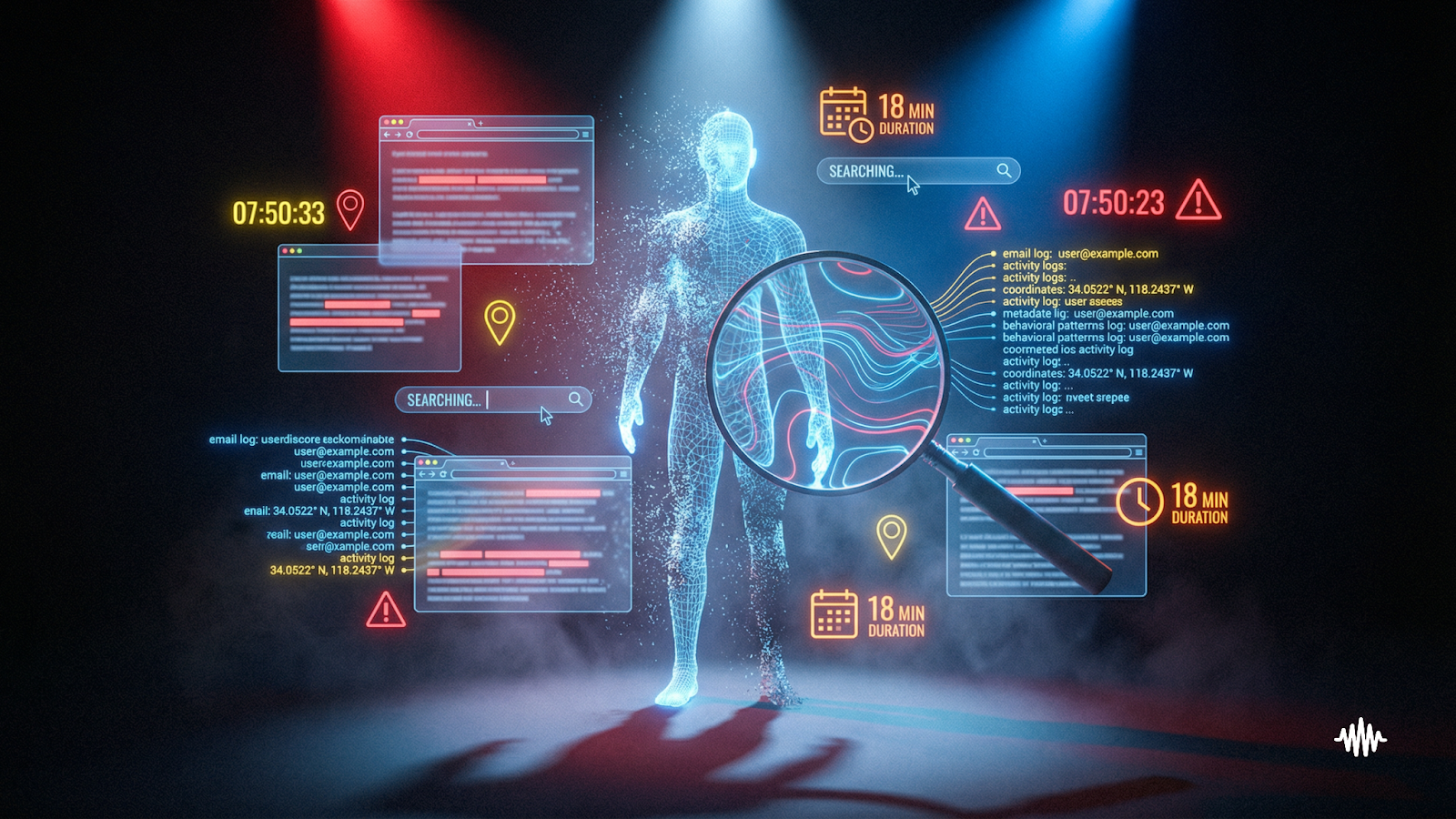
Using those credentials, the ShinyHunters group accessed and exfiltrated historical analytics data stored at Mixpanel, then began emailing affected customers with ransom demands to prevent publication of the stolen datasets.
Phase 2: The Data Haul
ShinyHunters claims to have taken about 94 GB of Pornhub-related analytics data, totaling roughly 200 million records tied to Premium members' historical activity on the site.
What Was Stolen: The records reportedly include email addresses, approximate locations, search queries, video URLs and titles, activity types (view, search, download), and precise timestamps, but not account passwords, credit-card details, or government-ID documents.
Translation:
✅ Stolen: "What you watched, when you watched it, where you were, what you searched for"
❌ Not Stolen: Passwords, payment info, government IDs
The Irony: The data that wasn't stolen is what most people worry about in a breach. The data that was stolen is what keeps people awake at night.
Phase 3: The Extortion Campaign
Pornhub has confirmed that some Premium users' historical activity data held at Mixpanel was accessed, and that it received an extortion demand from ShinyHunters threatening to leak this information if a ransom is not paid.
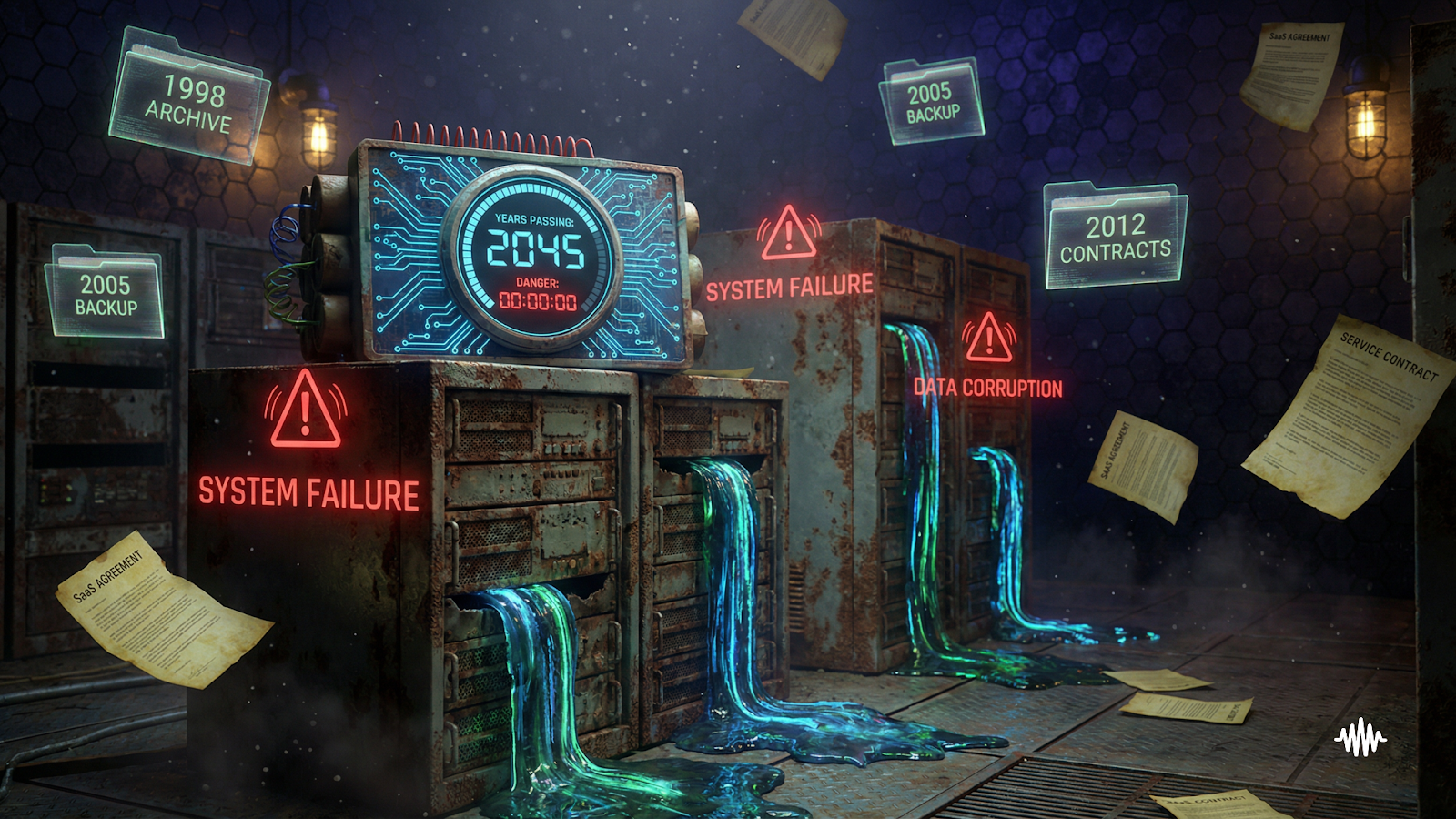
The Twist: The company says it stopped using Mixpanel several years ago, but legacy analytics data about Premium users remained in Mixpanel's systems and is what appears to be affected.
Key Insight: Pornhub stopped using Mixpanel years ago. But the data didn't disappear. It sat in Mixpanel's servers, aging like fine wine or, in this case, like a ticking time bomb of user behavior logs.
The SaaS Liability Problem: When you "stop using" a third-party service, you don't necessarily stop existing in their database. Data retention policies, contractual obligations, and plain old neglect mean your historical data lives on.
The Discrepancy: Did ShinyHunters Actually Get Pornhub Data?
Here's where it gets weird.
Mixpanel has acknowledged a security incident involving unauthorized access to its systems after the smishing attack, but has publicly questioned whether Pornhub-specific datasets were actually exfiltrated, saying it can find "no indication" in its logs that those particular records were downloaded.
This has produced a discrepancy: the attackers and some media outlets assert that Pornhub analytics data was stolen and is being used for extortion, while Mixpanel's current forensics have not yet corroborated this in full.
Three Possibilities:
- ShinyHunters is bluffing (unlikely as they have a track record of delivering)
- Mixpanel's logging is incomplete (possible, exfiltration can be hidden)
- The data was accessed but not logged as "downloaded" (most likely, read access ≠ logged download)
The Forensic Challenge: If attackers view data in-browser or use API calls that don't trigger "download" events, logs might miss it. Exfiltration forensics is less about what was left in the building and more about what someone could have copied while inside.
Who Are ShinyHunters? (The Group That Keeps Coming Back)
ShinyHunters is a long-running cyber-criminal group known for large-scale data thefts and extortion against organizations such as AT&T and multiple tech firms, often monetizing stolen data on criminal markets.
ShinyHunters' Greatest Hits:
- AT&T: 73 million customer records
- Microsoft GitHub: 500GB of private repositories
- Tokopedia: 91 million user records
- Mashable: 1.1 million user accounts
- Now: Pornhub (allegedly 200 million records)
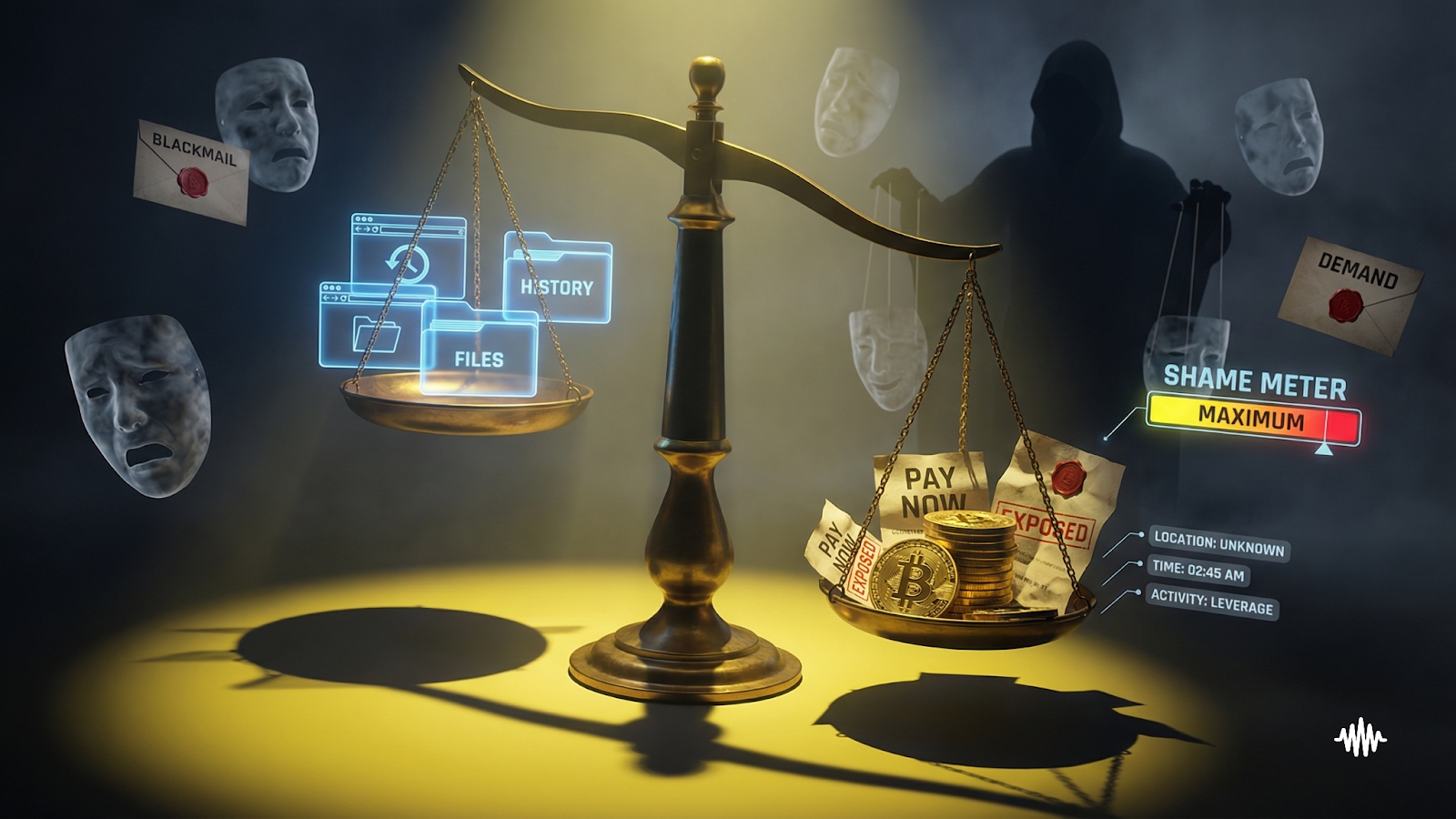
In this case, they are threatening to publish Pornhub's Premium users' activity data and have demanded a ransom in bitcoin, leveraging the extreme sensitivity of adult-content browsing histories to pressure both the company and potentially individual users.
The Business Model: ShinyHunters steal data and weaponize embarrassment. Adult content browsing history is the ultimate leverage: high shame factor, low legal recourse (victims unlikely to report), high willingness to pay.
The Risk Profile: What Can Actually Happen?
If ShinyHunters Publishes the Data:
If the claimed data is genuine and released, individual Premium users could face doxxing, targeted extortion, harassment, or blackmail based on their viewing and search histories tied to email and location metadata.
Real-World Scenarios:
- Doxxing: Email + location + viewing history = full identity exposure.
- Blackmail: "Pay us $500 or we send your watch history to your employer/spouse/family."
- Targeted phishing: "We know you watched X. Click here to remove your data from our records." (Spoiler: It's a phishing link)
- Social engineering: Attackers use viewing patterns to craft hyper-personalized scams.
The Good News (Relatively Speaking): However, the absence of passwords and payment data means direct account takeovers or fraudulent card charges should not be possible from this dataset alone, though attackers could still attempt phishing or credential-stuffing using exposed emails.
What This Means:
❌ Attackers can't log into your Pornhub account directly
❌ Attackers can't charge your credit card
✅ Attackers can still use your email for phishing campaigns
✅ Attackers can still attempt credential stuffing if you reuse passwords
✅ Attackers can still blackmail you with metadata
The Metadata Problem: Why "Just Metadata" Is Still Catastrophic
Let's be clear: This breach exposed metadata, not content. But metadata tells a story.
Example Metadata Exposure:
Email: john.doe@company.com
Location: New York, NY (approximate)
Timestamp: 2023-11-15 14:32:18 UTC
Search Query: [redacted for dignity]
Video URL: [redacted for humanity]
Activity: View, Download
Duration: 18 minutes
What This Reveals:
- Identity: Email ties to a real person
- Location: Where they were physically located
- Timing: 2:32 PM on a Wednesday (at work?)
- Intent: Search query reveals specific interests
- Action: Downloaded (intended to keep it)
- Duration: 18 minutes (committed viewing session)
The Uncomfortable Truth: Metadata doesn't need to include passwords to ruin someone's life. It just needs to include context.
Conclusion: The Breach That Keeps On Giving
The Pornhub-Mixpanel breach is a masterclass in modern cybercrime:
- Smishing defeated enterprise security
- Third-party vendors became single points of failure
- Legacy data became a toxic liability
- Metadata proved more damaging than passwords
- Embarrassment became extortion leverage
ShinyHunters claims to have taken about 94 GB of Pornhub-related analytics data, totaling roughly 200 million records tied to Premium members' historical activity on the site.
In Summary, 200 million records. 94 GB of behavioral history. One smishing text.
The lesson isn't "don't use adult sites."
The lesson is "every digital interaction creates permanent metadata, and that metadata lives in systems you don't control, protected by people you'll never meet, governed by policies you've never read."
Welcome to the internet. Your data is forever. Even when you wish it wasn't.
Key Takeaways:
✅ Third-party vendors = third-party risk (your data, their breach)
✅ Legacy data is toxic waste (stop using a service ≠ data deleted)
✅ Metadata > passwords (behavioral history is permanent leverage)
✅ Smishing works (SMS bypasses email security training)
✅ Ignore blackmail emails (most are bluffs, paying invites more demands)
✅ Change passwords anyway (even if they weren't stolen, credential stuffing is real)
✅ Privacy is a spectrum, not a binary (minimize exposure, assume breach)
Contact Resonance Security. Because if a third-party analytics breach can expose 200 million users' viewing habits, imagine what it could do to your company's customer database.
Visit www.resonance.security to audit your vendor risk before ShinyHunters audits it for you.
P.S. Mixpanel says they "can find no indication" that the data was exfiltrated. ShinyHunters says they have 94GB. Someone's lying. Place your bets.


.png)