


There are incidents that shift an industry. Then there are incidents that shift how a person listens to the ordinary noises inside their own home.
The armed robbery of Lachy Groom, Australian operator, Stripe Mafia alumnus, and former partner of Sam Altman, later connected to Altman’s family through a property deal, belongs in the second category.
Eight figures of crypto were extracted from his San Francisco residence by a masked attacker posing as a delivery worker. The transfer was forced, executed under duress, and irreversible within minutes.
For someone whose professional identity has been tied to funding the future, this was the sort of present-day intrusion that forces the human brain to update its base firmware. Groom is known for making disciplined bets. He now also evaluates the small noises in a room with a kind of cautious precision normally reserved for founders describing their burn rate.
The public narrative came through fintech circles, amplified globally by Mario Nawfal, and immediately reframed as a structural failure, not just of San Francisco’s safety net, but of the self-custody philosophy that underpins crypto culture.
This is a breakdown of what actually converged here:
The physics of violence, the psychology of coercion, the OSINT workflows available to anyone determined enough, and the uncomfortable truth that cryptographic strength collapses instantly when someone is holding a weapon on the other end of the PIN code.
It’s not a gossip story. It’s a blueprint for how the next wave of crypto crime will operate.

1. The Digital Wealth / Physical World Collision
The heist required Groom to be home. This wasn’t burglary. It was extraction.
The attackers likely performed months of reconnaissance:
• correlating an ENS or on-chain footprint with a physical address
• verifying residency patterns
• confirming behavioral schedule windows
• assessing the likelihood of immediate law enforcement response
That level of targeting signals intent, not randomness. The demand for $11 million makes it plain: they knew what was inside the metaphorical vault long before they knocked on the physical one.
The attack followed the known phases of coercive crypto theft:
Target → Surveillance → Breach → Compliance → Transfer → Egress.
At no point does encryption help the victim. Cold wallets fail instantly when the human holding them becomes the weak point.
Crypto’s strongest promise, sovereignty, mutates under duress into its greatest liability.
2. San Francisco: The Perfect Storm Environment
The city plays an unflattering role here. San Francisco combines:
• high concentration of digital wealth
• declining public safety infrastructure
• homes with immediate street access
• predictable founder routines
• and neighborhoods where multimillion-dollar addresses sit one block from low-security zones
Police response times are inconsistent, and specialized crews have emerged:
• follow-home groups
• high-value watch theft crews
• crypto-extraction teams that understand hardware wallets, seed phrases, and OSINT patterns
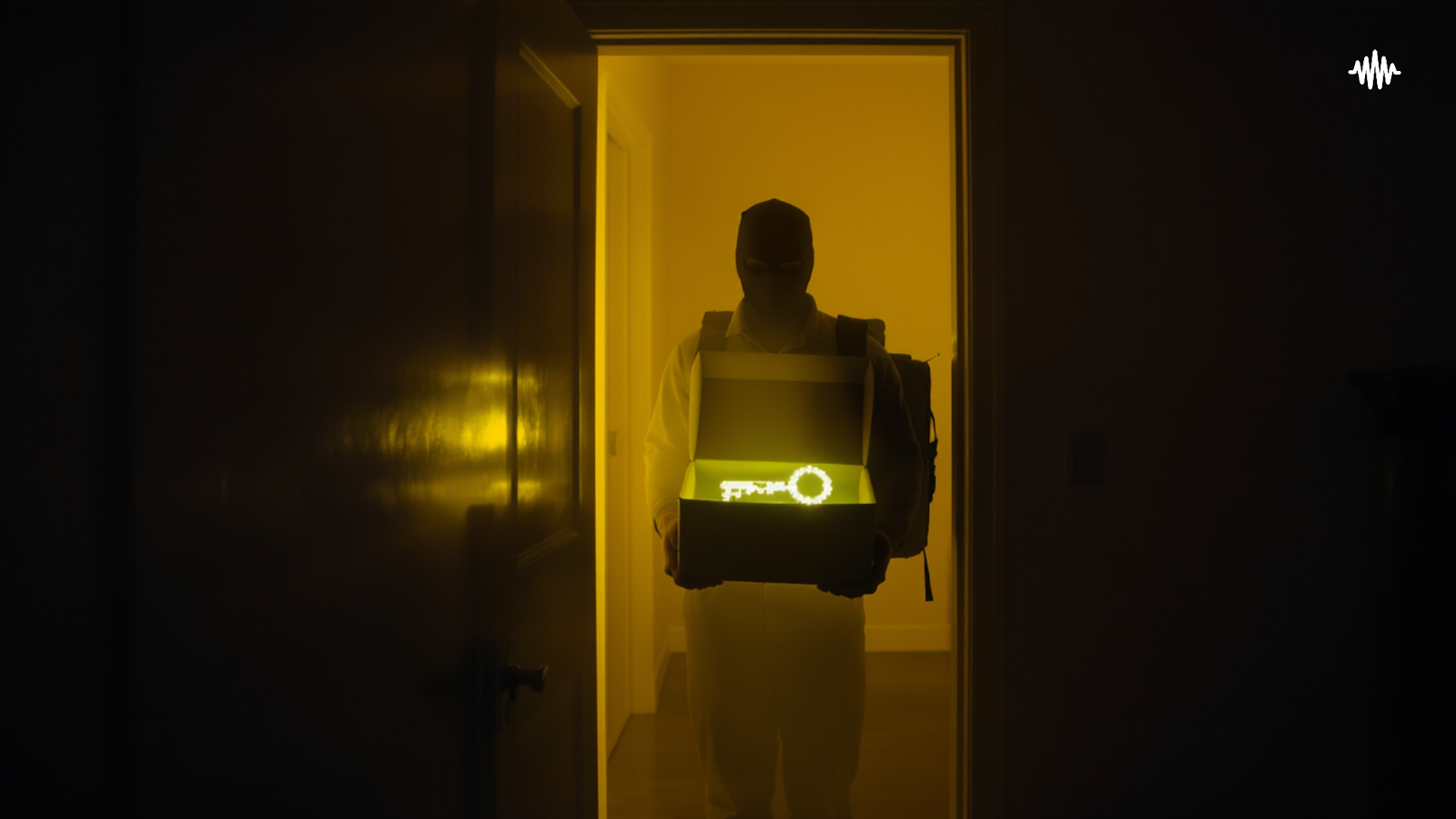
The attackers in this case behaved like the latter. The calculus is brutal:
Low chance of capture + high-value, zero-weight asset = rational criminal incentive.
The public amplification of Groom’s case only reinforces that equation.
3. Rubber-Hose Cryptanalysis in Real Life
The crypto industry has long joked about “$5 wrench attacks.” This was the deluxe version.
The entire logic of self-custody breaks under a physical threat:
• A PIN code can be guessed under pressure.
• A seed phrase can be recited under fear.
• A hardware wallet can be unlocked at gunpoint.
• A signer cannot signal duress to the blockchain.
Blockchains care about valid signatures, not human context. A coerced signature is still a signature.
Time to finality on Ethereum: ~2 minutes. Time required for police to respond inside San Francisco: rarely under 10.
The math is embarrassingly simple.
4. The Financial Mechanics of the $11M Transfer
The attackers needed one signed transaction. From that moment onward, they controlled the timeline.
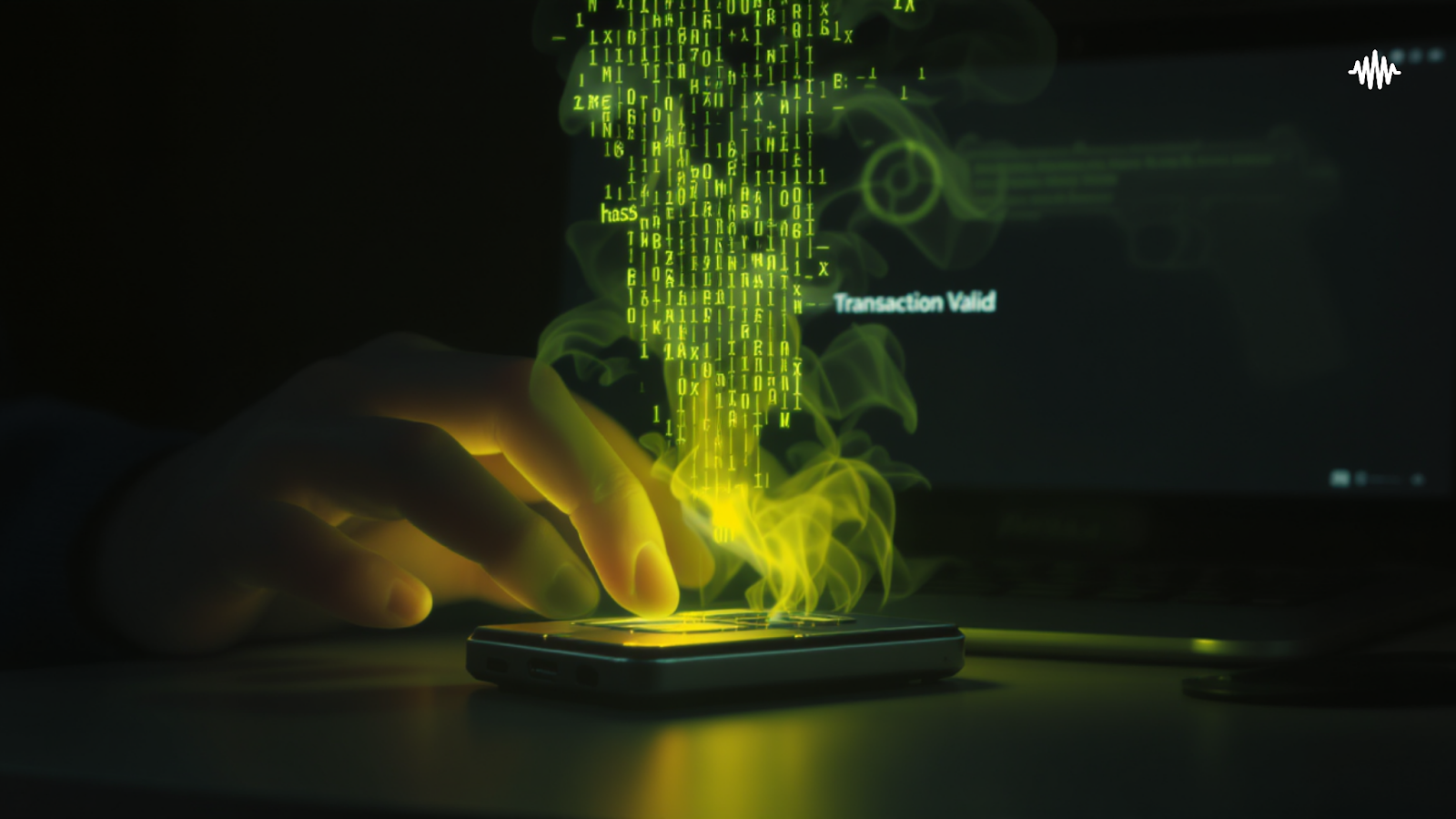
The likely laundering flow:
Victim wallet → Attacker burn wallet → Swap to ETH/DAI → Mixer (Tornado) → Multiple clean wallets → No-KYC bridge → Monero → OTC liquidation.
The elegance lies in the low physical cost:
$11 million in fiat weighs 110 kilograms.
$11 million in crypto weighs exactly zero.
This is the modern bank heist, but without the truck, masks, or “everyone on the floor” theatrics of the past. Just a quiet living room, a forced tap on a hardware device, and a blockchain confirming irreversible economic violence.
5. The Industry Shockwave
Groom is not just a victim. He is a signal flare. This incident sent five shockwaves across the ecosystem:
Shockwave 1: Custody is moving back to institutions.
Even self-custody maximalists are reassessing whether they want their life savings protected by plywood and a smart lock.
Shockwave 2: Executive protection is up 4–6× in SF searches.
Security is no longer event-based; it’s becoming residential and continuous.
Shockwave 3: Insurance is pricing in duress transfers as “voluntary.”
Meaning: no reimbursement.
Shockwave 4: OSINT threat exposure is now life-or-death.
Public wallet flexing isn’t just cringe; it’s dangerous.
Shockwave 5: Multisig and timelocks are no longer best practice; they’re survival practice.
The only defense against coercion is the inability to comply.
6. The Security Model That Actually Works Now
There is only one effective way to defend against this class of attack:
Remove the single point of coercion, the user.
A. Multisig (2-of-3 or 3-of-5)
One key at home, one key geographically remote, one key in institutional custody. Under duress, the victim physically cannot produce enough shares to sign a transfer.

B. Time-locked vaults
A 24-hour delay renders duress attacks uneconomical. Criminals cannot wait. They cannot babysit. They cannot kidnap without escalating to federal charges.
C. Lifestyle and OSINT containment
• No ENS tied to identity
• No public on-chain flexing
• No seed phrase or Ledger stored on premises
• No predictable routines
• Aggressive data-broker scrubbing
Digital security has been solved. Physical security has not.
The Groom heist proves the threat has simply shifted layers.
7. Industry Implication: The End of the Crypto Cowboy Era
For years, the self-custody narrative encouraged individuals to treat wealth like personal property rather than institutional responsibility.
The last twelve months have shown the flaw:
When individuals hold institutional-level capital, criminals treat individuals like institutions, minus the guards, vaults, and concrete.
The Groom incident accelerates the inevitable:
• institutional custody for HNWIs
• architectural hardening of personal residences
• migration to safer jurisdictions
• and the fusion of cyber + physical threat models as a unified discipline
This is not overreaction; it is overdue correction.
8. Final Thought
The Blockchain Was Never the Weak Link. Crypto engineers built systems resistant to nation-states. The attackers simply targeted something easier.
Not the cryptography. Not the seed phrase. Not the wallet firmware. They targeted the person holding them.
And the industry now has to accept that being your own bank also means being your own vault, your own guard, and your own risk officer, unless you build systems that make your compliance worthless under duress. Because once someone stands in your living room and tells you to unlock a wallet, the encryption doesn’t matter.
Only the architecture does.



.png)